Source High Compression Seamless Leggings for Gym, Yoga, and Racing
Source high compression seamless leggings from 30 verified suppliers. Compare custom designs, fabric weights like 250gsm, and MOQs starting at 100 pieces. Ideal for gym, yoga, and racing applications with options for slim or high-waist fits; compare the available evidence and request quotations based on your requirements.
Key considerations
Products List


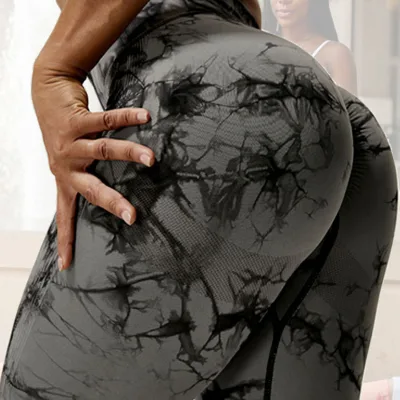


Comprehensive Sourcing Guide
High Compression Seamless Leggings Sourcing Guide
Sourcing high compression seamless leggings requires a nuanced understanding of the intersection between athletic performance, manufacturing technology, and commercial logistics. This guide synthesizes observed market signals and technical requirements to help procurement professionals navigate the complexities of this category. By focusing on verified attributes such as material composition, fit specifications, and production capabilities, buyers can mitigate risk and ensure that the final product aligns with brand standards for durability, comfort, and aesthetic appeal.
The following sections provide a structured approach to evaluating suppliers and products. We will examine the observed product scope, verify critical technical specifications, assess compliance documentation, analyze cost drivers, qualify suppliers, and establish long-term procurement checks. This disciplined framework ensures that every decision is grounded in evidence rather than assumption, leading to more reliable supply chain outcomes and higher customer satisfaction for end-users.
Product Scope and Observed Listing Signals
The current market landscape for high compression seamless leggings reveals a diverse range of product types, including gym yoga wear, sport suits, and general athletic tights. Observed listings indicate a strong emphasis on high-waist designs and skinny or straight trouser legs, catering to both fitness enthusiasts and casual wearers. The usage spectrum is broad, encompassing ball sports, soccer, racing, cycling, fitness, skiing, rugby, track and field, water sports, gym activities, yoga, basketball, hockey, martial arts, rock climbing, dancing, tennis, and equestrian sports. This versatility suggests that seamless construction is valued for its ability to reduce friction and enhance mobility across multiple disciplines.
Product attributes highlight specific design preferences, such as slim models, normal to medium thickness, and full-season or spring/autumn suitability. Sizes range from XS to XXXL, indicating a need for inclusive sizing strategies. Packaging varies from single polybags to cartons containing 60-80 pieces, with standard carton dimensions noted as 604040CM. Origin data points primarily to China, with specific mentions of Zhejiang province, suggesting a concentrated manufacturing hub. Buyers should note that while these signals provide a baseline, individual supplier capabilities may vary significantly, requiring careful verification of each vendor's actual inventory and production capacity.
Technical Specifications to Verify
Verifying technical specifications is critical to ensuring the leggings meet performance expectations. Key attributes to confirm include the fabric composition, with polyester/spandex blends being a common standard for elasticity and durability. Buyers should verify the GSM weight, with observations noting 250gsm as a typical benchmark for medium thickness, which balances compression with breathability. The construction technique, such as flatlock seams, is essential for reducing chafing and enhancing comfort during high-intensity activities. Additionally, the seamless nature of the product implies specific knitting technologies that must be validated to ensure consistent compression and fit across the garment.
Fit and sizing are equally important, with models ranging from slim to high-waist designs. Buyers must verify size charts against actual measurements, as discrepancies can lead to high return rates. The presence of custom design acceptance is a significant advantage for brands seeking unique aesthetics, but it requires clear communication of design files and technical packs. Lead times for samples typically range from 3 to 15 days, while bulk production lead times are observed between 15 and 21 days. These timelines should be factored into inventory planning to avoid stockouts or excess inventory, especially during peak seasonal demand periods.
Compliance and Safety Documentation
Compliance and safety documentation are non-negotiable for entering regulated markets. Buyers must request certificates of conformity and test reports that verify the safety of dyes, chemicals, and materials used in the leggings. While specific standards like OS were observed, buyers should clarify which regulatory frameworks these correspond to, such as REACH in Europe or CPSIA in the United States. It is crucial to ensure that the fabric meets flammability standards and does not contain harmful substances that could pose health risks to consumers. Documentation should be up-to-date and issued by accredited third-party laboratories to ensure credibility and legal compliance.
In addition to material safety, buyers should verify that the manufacturing process adheres to ethical labor standards and environmental regulations. Certifications such as OEKO-TEX or GRS can provide assurance regarding the sustainability and safety of the supply chain. Buyers must also ensure that the supplier provides clear labeling instructions that comply with local regulations, including fiber content, care instructions, and country of origin. Failure to secure proper documentation can result in customs delays, product recalls, or legal penalties, making this a critical step in the sourcing process.
Cost Drivers and Commercial Terms
Understanding cost drivers is essential for accurate budgeting and pricing strategies. Key factors influencing cost include the complexity of the seamless knitting process, the quality of raw materials, and the level of customization required. Custom designs, such as unique patterns or specific compression levels, typically incur higher costs due to setup fees and lower production efficiency. Minimum order quantities (MOQs) observed range from 100 pieces per design to 1000 pieces, impacting the initial investment required. Buyers should negotiate MOQs based on their sales forecasts to minimize inventory risk while securing favorable pricing tiers.
Commercial terms also play a significant role in the total cost of ownership. Payment terms, such as a 40% deposit and 60% balance before shipping, are common but should be evaluated against the supplier's reliability. Shipping methods, including express, air, and sea freight, offer different trade-offs between speed and cost. Buyers should calculate the landed cost, including duties, taxes, and logistics fees, to determine the true profitability of the product. Transparent communication regarding price fluctuations due to raw material costs or currency exchange rates is vital for maintaining stable supply chain economics.
Supplier Qualification and Quality Control
Supplier qualification involves a rigorous assessment of manufacturing capabilities, quality control systems, and business stability. Buyers should conduct factory audits or request virtual tours to verify production equipment, particularly seamless knitting machines, and assess the facility's cleanliness and organization. Quality control processes should include in-line inspections and final random inspections to ensure consistency in fit, color, and stitching. Suppliers with a track record of meeting lead times and maintaining low defect rates are preferable, as they reduce the risk of supply chain disruptions.
Establishing clear quality standards and inspection protocols is crucial for maintaining product integrity. Buyers should define acceptable quality limits (AQL) for various defects, such as holes, uneven seams, or color mismatches. Regular communication with the supplier regarding quality issues and corrective actions helps build a collaborative relationship. Additionally, verifying the supplier's ability to handle custom designs and provide samples within agreed timeframes is essential for ensuring that the final product meets brand expectations. A robust supplier qualification process minimizes risk and ensures a reliable partnership.
Long-Term Procurement Checks
Long-term procurement checks focus on continuous improvement and risk management. Buyers should regularly review supplier performance metrics, including on-time delivery rates, product quality, and responsiveness to issues. Establishing a scorecard system can help track these metrics over time and identify areas for improvement. Regular audits, whether physical or virtual, ensure that the supplier maintains compliance with agreed-upon standards and ethical practices. Building a diversified supplier base can also mitigate risks associated with single-source dependencies, providing flexibility in case of disruptions.
Strategic planning for product development and market trends is essential for long-term success. Buyers should stay informed about emerging technologies in seamless knitting and fabric innovations that could enhance product performance. Collaborating with suppliers on new designs and materials can lead to competitive advantages and unique value propositions. Additionally, maintaining open communication channels and fostering a partnership mindset encourages suppliers to prioritize the buyer's needs. By proactively managing these relationships and processes, buyers can ensure a resilient and efficient supply chain that supports sustained growth and customer satisfaction.
FAQs
What are the standard size options for these leggings?
Standard size options typically range from XS to XXL, with some suppliers offering up to XXXL. This broad sizing ensures a fit for various body types. Buyers should verify specific size charts with manufacturers, as dimensions can vary slightly between factories based on their unique grading standards and production capabilities.
Can I request custom designs for my brand?
Yes, most manufacturers accept custom designs for high compression seamless leggings. You can provide your own sketches or specifications for unique patterns and fits. This customization allows for brand differentiation. However, custom orders usually require a minimum order quantity, often starting at 100 pieces per design, to justify the setup costs.
What is the typical lead time for production?
The typical lead time for production is between 15 and 21 days after order confirmation. This timeframe allows for material sourcing, cutting, sewing, and quality control. Sample production usually takes 3 to 15 days depending on complexity. Buyers should plan their inventory accordingly to avoid stockouts during peak seasons.
How are the leggings packaged for shipping?
Leggings are typically packaged one piece per polybag or OPP bag for individual protection. For bulk shipping, they are packed into cartons, often containing 60 to 80 pieces per carton. The standard carton size is approximately 60x40x40 cm. This packaging method ensures product integrity during transit and simplifies inventory management for retailers.
What payment terms are commonly offered by suppliers?
Common payment terms require a 40% deposit and a 60% balance before shipping. This structure protects both the buyer and the manufacturer during the production process. Some suppliers may offer different terms for established partners or larger orders. Buyers should confirm payment methods and timelines clearly in the contract to ensure smooth transaction processing.
Which materials are used for high compression leggings?
High compression leggings are typically made from a blend of polyester and spandex. This combination provides the necessary stretch, durability, and moisture-wicking properties required for athletic wear. The fabric weight is often around 250gsm, offering a medium thickness suitable for various seasons. This material choice ensures comfort and performance during intense physical activities.